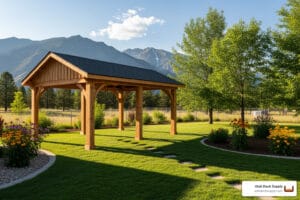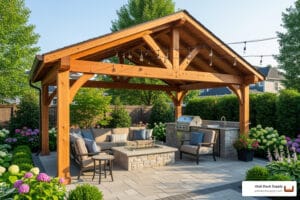
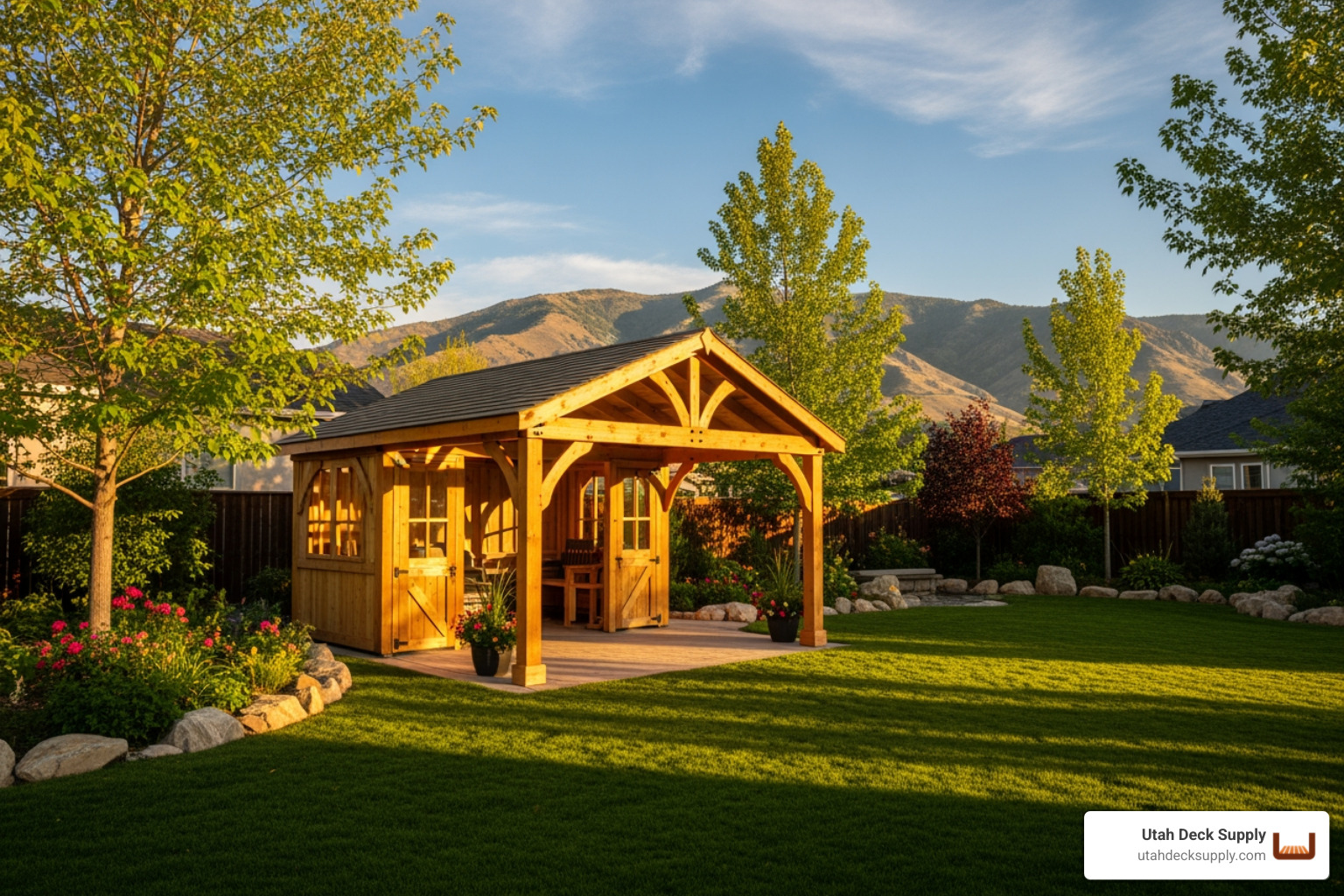
Wooden pavilion kits make it easier than ever to turn a basic yard into a true outdoor retreat without juggling architects, framers, and multiple suppliers. Honestly, when you choose the right kit, you get the beauty of natural wood, engineered strength, and a faster path to a finished space you’ll actually use. In this guide, we’ll walk through the main kit types, what to look for in quality materials, and how Utah Deck Supply helps you get it right the first time.
If you’re exploring options for changing your outdoor space, wooden pavilion kits offer an excellent blend of natural beauty, functional shelter, and lasting value. These pre-designed structures provide a streamlined path to creating a stunning backyard retreat without the complexity of building from scratch.
Quick Comparison: Top Wooden Pavilion Kit Types
| Kit Type | Best For | Typical Size Range | Key Features |
|---|---|---|---|
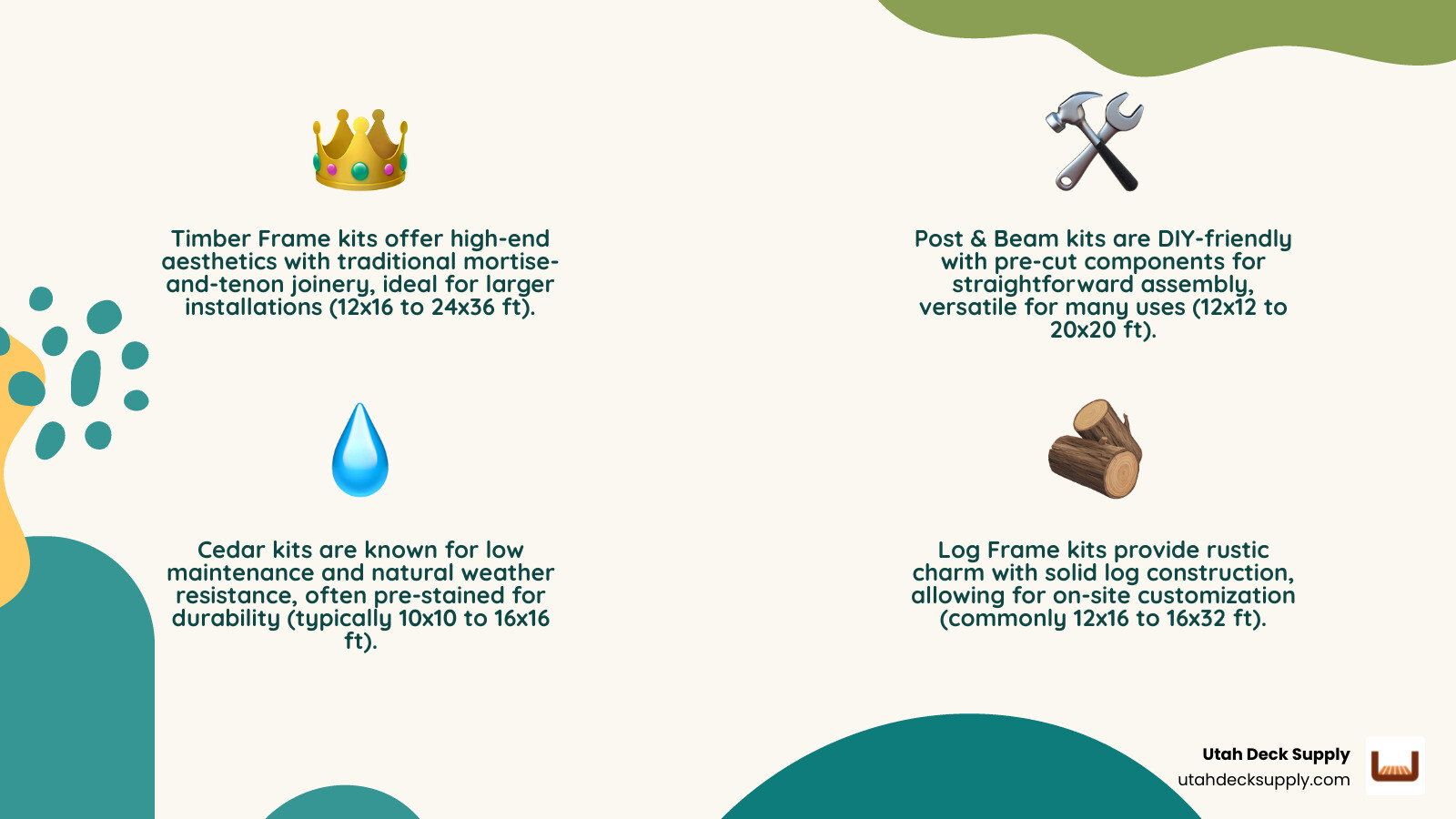
| Timber Frame | High-end aesthetics, traditional joinery | 12×16 to 24×36 | Mortise-and-tenon joinery, exposed beams, premium look |
| Post & Beam | DIY-friendly assembly, versatile use | 12×12 to 20×20 | Pre-cut components, straightforward construction |
| Log Frame | Rustic appeal, unique character | 12×16 to 16×32 | Solid log construction, on-site customization |
| Cedar Kits | Low maintenance, natural resistance | 10×10 to 16×16 | Pre-stained options, weather-resistant wood |
What to look for in quality wooden pavilion kits:
- Premium wood species – Western Red Cedar, Douglas Fir, or Eastern White Pine for durability.
- Precision-cut components – CNC-machined timbers that fit together perfectly.
- Complete hardware – All fasteners, connectors, and mounting brackets included.
- Clear instructions – Step-by-step assembly guides with labeled parts.
- Engineered designs – Structures that meet local building codes and snow loads.
If you want to dive deeper into how traditional timber framing works and why joinery matters so much, the overview on timber framing is a helpful technical reference.
I’m James Bonham, co-founder of Utah Deck Supply. With years of experience helping homeowners select outdoor structures tough enough for Utah’s demanding climate, I know exactly what separates a quality kit from one that disappoints. Here’s the thing: not all pavilion kits are created equal. The difference between a structure that lasts decades and one that requires constant repairs often comes down to material quality, joinery precision, and whether the kit is truly engineered for real-world conditions.
Why a Wooden Pavilion Kit is the Ultimate Backyard Upgrade
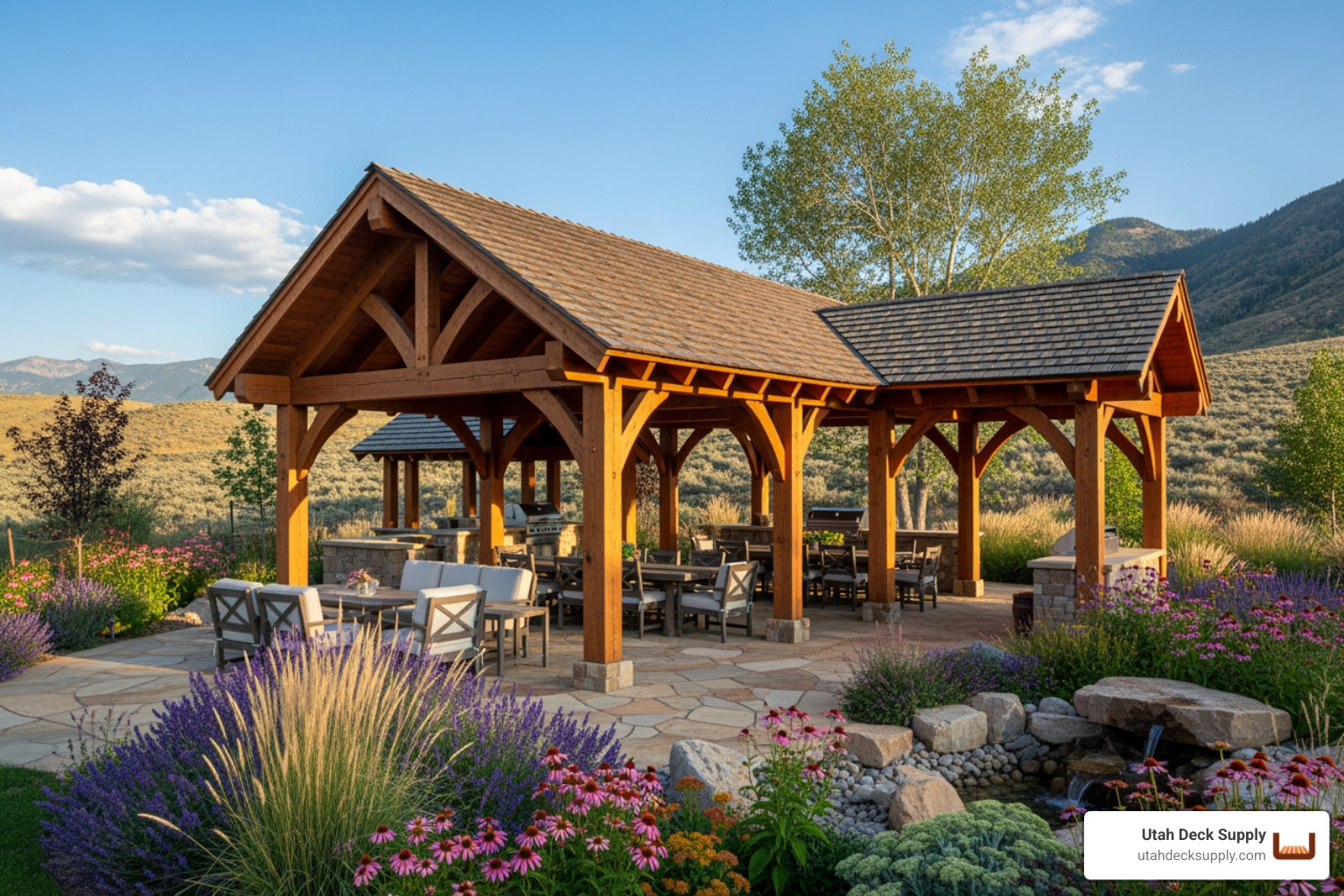
Honestly, a wooden pavilion isn’t just another outdoor structure; it’s an investment in your lifestyle and home’s value. We’ve seen countless Utah homeowners transform their backyards into extraordinary living spaces with a beautifully crafted pavilion. These structures offer a unique blend of elegance, functionality, and durability that few other additions can match.
Let me explain why investing in a wooden pavilion kit is one of the best decisions you can make for your property.
How a Pavilion Improves Your Home and Lifestyle
A pavilion provides an ideal space for outdoor entertainment and social gatherings, offering a comfortable, sheltered area regardless of the weather. Here’s how it truly lifts your home and lifestyle:
- Increases home value and curb appeal: You know what? Potential buyers see pavilions as a major plus, making them a smart investment that boosts your property’s value and curb appeal.
- Creates a striking focal point: A pavilion’s robust posts and classic roofline create a grand focal point, adding architectural interest to your landscape.
- Versatile for multiple uses: This is where pavilions truly shine! Use them as an outdoor kitchen, dining area, yoga studio, hot tub shelter, or play area for kids—the possibilities are endless.
- Perfect for hosting gatherings or relaxing: It’s the perfect spot for a family barbecue, a quiet reading nook, or just enjoying fresh air. A pavilion creates a designated space for shared meals and conversations.
- Extends your outdoor season: In Utah’s varied climate, a pavilion’s solid roof protects you from harsh sun and rain. This lets you enjoy your backyard for more months of the year, from warm days to cooler evenings.
What Makes a Pavilion Unique?
People often confuse pavilions with gazebos or pergolas. While all three improve outdoor living, pavilions have distinct characteristics.
| Feature | Pavilion | Gazebo | Pergola |
|---|---|---|---|
| Roof Type | Solid, two-sided roof, providing full overhead coverage | Often a solid or semi-solid roof, frequently domed or octagonal | Open lattice or louvered roof, offering partial shade |
| Sun/Rain Protection | Excellent, offers complete shelter from sun and rain | Good, provides substantial shelter; can be enclosed | Partial shade only; minimal rain protection |
| Walls | Typically open-sided with sturdy posts for unobstructed views | Can be open, partially enclosed, or fully enclosed | Open, supported by posts, no walls |
| Year-Round Use | High, especially with accessories like curtains or heaters | Moderate to High, particularly if enclosed | Low, primarily for seasonal use in warmer weather |
| Aesthetic | Grand, architectural focal point with a stately, classic appeal | Charming, classic, often ornate garden retreat feel | Modern or rustic, defines a space or walkway |
| Cost (Kit) | Moderate to High, reflecting the robust structure | Moderate to High, depending on size and materials | Low to Moderate, due to simpler construction |
Unlike pergolas with partial shade, a pavilion’s solid roof offers complete protection from sun and rain. While gazebos can be enclosed, pavilions are typically open-sided, creating a grander, more expansive feel. They are designed for a lifetime of enjoyment and relaxation.

Buyer’s Guide: Choosing the Right Wooden Pavilion Kit
Selecting the perfect wooden pavilion kit can feel overwhelming, but we’re here to help you make an informed decision. At Utah Deck Supply, our goal is to guide you to a beautiful, durable structure you’ll enjoy for years.
Understanding Materials and Construction
The heart of a quality kit is its materials and construction, especially with Utah’s climate challenges.
Common Wood Types Used in High-Quality Kits:
- Western Red Cedar: A top-tier choice, Western Red Cedar is naturally resistant to rot, decay, and insects. Its beautiful appearance adds a touch of luxury, and it ages gracefully.
- Douglas Fir: Known for its strength and stability, Douglas Fir is fantastic for timber frame construction. Its structural integrity and beautiful grain make it a solid choice.
- Eastern White Pine: For longevity, Eastern White Pine is an excellent option. It offers timeless charm and helps ensure your pavilion will last for generations.
- Hemlock: A strong and reliable wood, Hemlock is a great choice for posts, beams, and other structural components requiring support and durability.
Construction Methods: The Foundation of Durability
- Timber Frame & Post and Beam: This method uses large, heavy timbers for structural integrity and stunning visual appeal. The exposed beams and sturdy posts create a warm, inviting atmosphere.
- Mortise and Tenon Joinery: A hallmark of quality, this traditional joinery involves fitting a “tenon” into a “mortise.” Secured with wooden pegs, it creates an incredibly strong connection.
- Precision-Cut Components: Using advanced CNC machines, timbers are crafted for a precise fit. Your kit arrives with labeled, ready-to-assemble parts, making the DIY process smooth and guesswork-free.
- Pre-Cut and Pre-Stained Options: The best kits come pre-cut and pre-stained with all hardware included. This simplifies assembly and ensures your pavilion is protected from the start.
Sizing, Customization, and Must-Have Features
Choosing the right size and style is essential.
- Typical Dimensions and Customization: Kits come in many sizes, from 12’x12’ to 20’x20’ and larger. Customization is a huge plus—you can choose the size, design, roof style (gable, hip), and roofing materials (metal, shingles, cedar) to match your home.
- Key Features to Look for in Wooden Pavilion Kits:
- High-quality, kiln-dried timber: Kiln-drying makes wood more stable and less prone to warping or cracking.
- Precision-cut joinery (CNC machined): This ensures all pieces fit together perfectly, making assembly easier and the structure stronger.
- All necessary hardware included (galvanized/zinc-plated): Quality kits include all hardware, which should be zinc-plated or galvanized to resist rust.
- Clear, detailed instructions: Look for comprehensive instructions with diagrams and labeled parts for a straightforward assembly.
- Engineered for local building codes: This is critical in Utah. While our standard kits are engineered to meet most local requirements, you must verify with your building department (e.g., in Salt Lake City or Provo). A state-specific engineering stamp can be provided for an additional fee to meet specific codes, including snow load standards.
From Kit to Creation: Installation and Care
Once you’ve chosen your ideal wooden pavilion kit, the next step is bringing it to life. This involves assembly, placement, and long-term care to keep your pavilion looking its best for decades.
Assembly and Installation: Can You DIY?
Can you assemble a wooden pavilion kit yourself? The answer is often a resounding yes!
- DIY Skill Level: Most kits are designed for DIYers with beginner-to-intermediate carpentry skills. They remove the complexity of traditional construction, and many can be assembled in just a couple of days.
- Pre-cut and Labeled Parts: This is a game-changer. Timbers arrive precisely cut and labeled, removing the headaches of measuring and cutting.
- Step-by-Step Instructions: Detailed instructions, often with diagrams, guide you through assembly. Just gather your tools and a few friends to help with heavy lifting.
- Placement and Foundation:
- Location: Before assembly, think about placement. Consider how it will look in your Northern Utah yard through all four seasons. Do you want to maximize sun or create shade? Plan for wiring if you want lights or a fan.
- Foundation: A solid foundation is crucial. You can use a concrete slab or piers. If using piers, pour the footers about 3 weeks in advance to cure. Always use standoff brackets to keep posts off the concrete and prevent moisture damage.
- Paving: If you’re using pavers for your patio, it’s best to install the pavilion first.
- Local Building Codes and Permits: Always check with your local building department in Utah (whether in Provo, Ogden, or St. George) for permit requirements. While many kits are pre-engineered, a state-specific stamp may be needed for an additional fee.
Long-Term Care for Your Wooden Pavilion Kit
With proper care, your wooden pavilion can last for generations.
- Maintenance: Timber pavilions age gracefully. Occasional sealing or staining and regular cleaning will protect the wood and preserve its beauty.
- CUTEK Stain Benefits: We recommend a high-quality penetrating oil like CUTEK® Stain. It protects wood from the inside out, preventing peeling and cracking. It’s especially effective against moisture damage in Utah’s dry climate.
- Recoating: Recoat every 2-3 years for continuous color, or let the wood weather to a natural silver while still being protected. The oil simply absorbs into the wood, so over-application isn’t an issue.
- Longevity: A quality kit, proper installation, and simple maintenance will ensure your pavilion provides enjoyment for years to come.
For expert advice on the best materials and maintenance products for Utah’s climate, the team at Utah Deck Supply is here to help. We understand the unique challenges our environment presents and can guide you to the right solutions. Explore our range of high-quality pavilion kits and start your journey toward an incredible outdoor space today.