Thinking about adding a covered outdoor room to your backyard? A wood pavilion kit makes it easy to get professional results with pre-cut parts, clear instructions, and all the hardware you need. Below, you’ll find a fast overview plus everything required to choose, install, and maintain the right pavilion for your space.
Quick Answer: What You Need to Know About Wood Pavilion Kits
A beautiful wood pavilion can become the heart of your backyard, offering a welcoming space for relaxation, outdoor dining, and cherished gatherings with loved ones. With a high-quality wood pavilion kit, changing your outdoor living area is easier and more accessible than ever. This guide will help us steer every step, from choosing the right kit to building your dream pavilion with confidence.
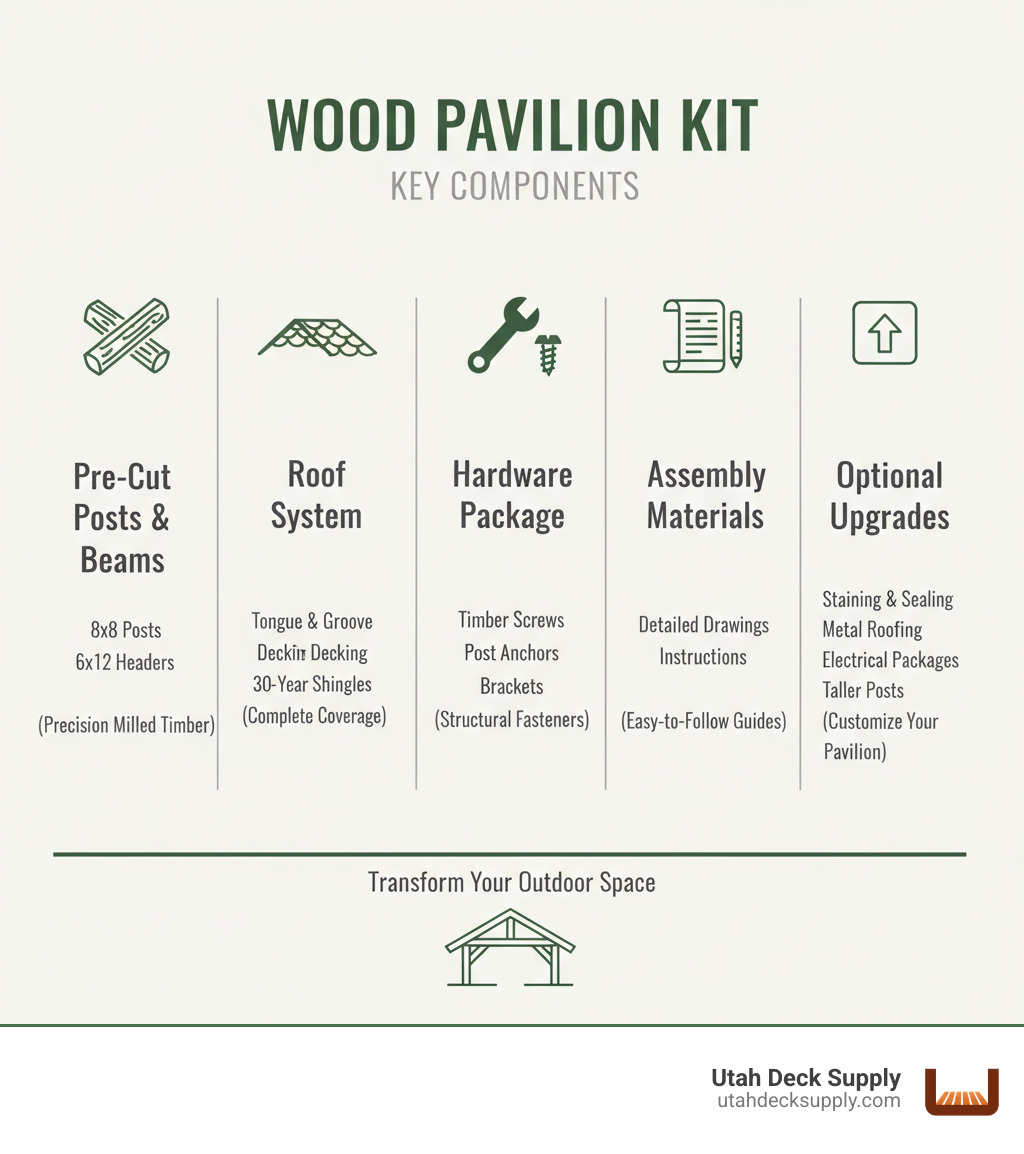
A wood pavilion kit is a pre-engineered outdoor structure package that includes:
- Pre-cut and labeled lumber components (posts, beams, rafters, roof decking)
- All necessary hardware (screws, brackets, anchors, fasteners)
- Detailed assembly instructions and architectural drawings
- Typical cost range: $2,000 – $10,000+ depending on size and materials
- Common sizes: 10×10 to 20×40 feet (custom sizes available)
- Popular wood types: Western Red Cedar, Pressure-Treated Pine, Douglas Fir
- Assembly time: 1-3 days with 2-3 people
- Key benefit: Full roof coverage for year-round protection from sun and rain
The global pavilion market is growing at 6.1% annually, with wood pavilions accounting for over 60% of market share. DIY kit demand has surged 25% in the last two years as homeowners find how accessible these projects have become.
Why Wood Pavilion Kits Are Gaining Popularity
Unlike gazebos with their enclosed sides or pergolas with open-slat roofs, pavilions provide a fully covered roof with open sides, making them ideal for Utah’s extreme climate. They offer complete protection from intense summer sun and unexpected rain while maintaining an airy, open feel that connects your outdoor space to the surrounding landscape.
The appeal is simple: natural beauty meets practical durability. Western Red Cedar, for example, naturally resists rot and insects, can last for decades with proper maintenance, and develops a gorgeous silver-gray patina over time. Pressure-treated pine offers similar longevity at a lower price point, making quality outdoor living accessible to more homeowners.
What Makes a Quality Kit Stand Out
The best wood pavilion kits share several key features that separate them from basic structures:
Pre-fabrication and precision – Components are cut using CNC machines or traditional timber framing techniques, ensuring precise fits and authentic joinery like mortise and tenon connections.
Complete packages – Everything arrives together: timber frames, roof decking (typically tongue-and-groove boards), decorative braces, post trim, and all fasteners including specialized timber screws and post anchors.
Clear documentation – Shop drawings, placement plans, and step-by-step assembly manuals eliminate guesswork during installation.
Structural integrity – Properly engineered kits can span up to 20 feet without center posts and withstand hurricane-force winds when installed correctly.
Real-World Applications
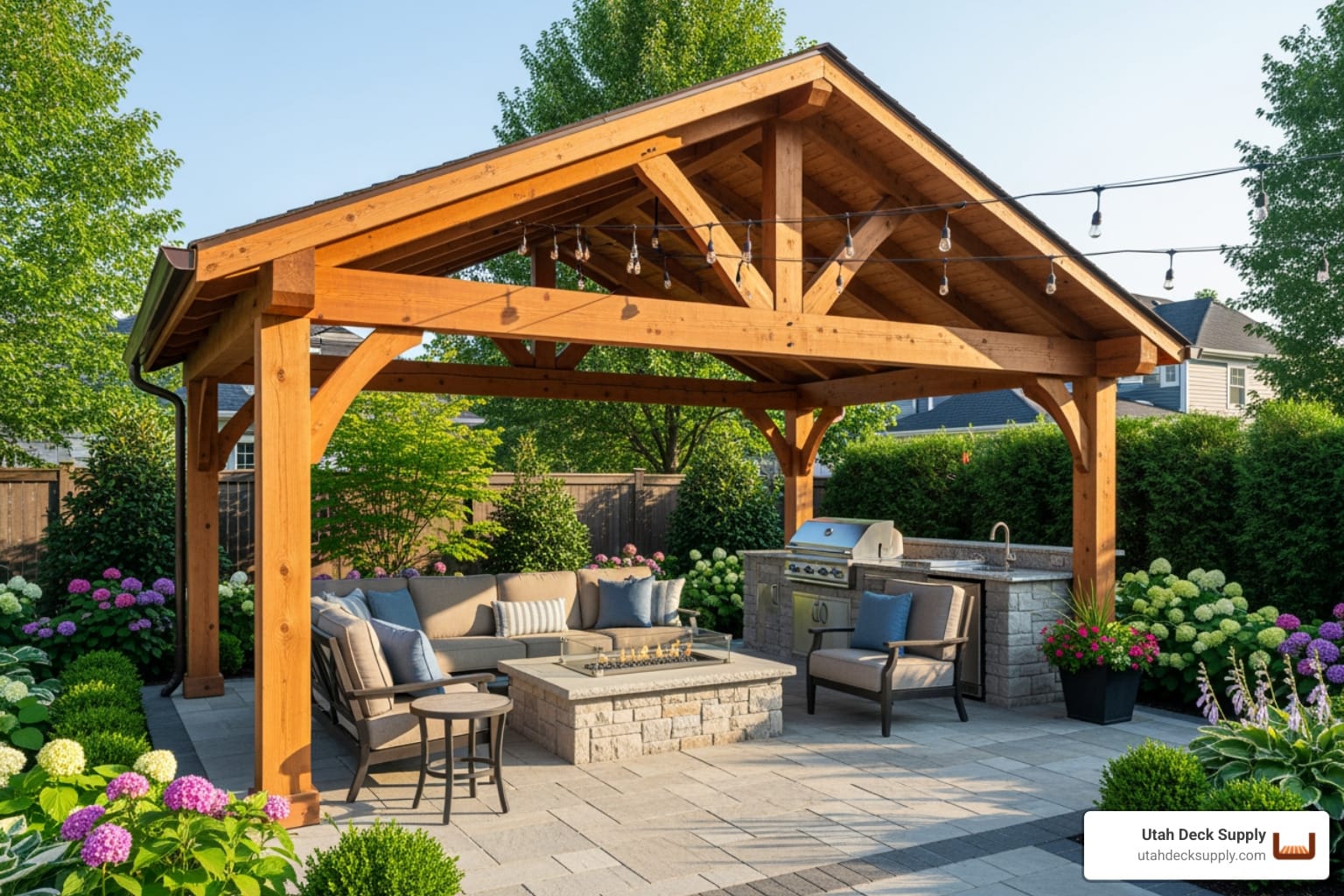
Wood pavilion kits transform ordinary backyards into functional outdoor rooms. Homeowners use them to cover outdoor kitchens, create poolside retreats, shelter hot tubs, and establish comfortable dining areas that work from spring through fall. For contractors, they represent a high-margin upsell opportunity that clients loveadding both functionality and significant property value.
One manufacturer noted that their pavilions are “always a great host” for summer pool parties and evening events. The structure becomes more than just shade; it defines the outdoor space and creates a natural gathering point that draws people together.
As James Bonham, co-founder of Utah Deck Supply with years of experience at Trex Company, I’ve helped countless contractors and homeowners steer the complexities of outdoor living products, including wood pavilion kits that need to withstand Utah’s harsh freeze-thaw cycles and intense UV exposure. This guide will walk you through everything you need to know to select and install the perfect pavilion for your space.
Why Choose a Wood Pavilion Kit? The Core Benefits
A wood pavilion kit offers more than just shade; it transforms your outdoor space into a genuine extension of your home. These structures combine natural beauty with practical functionality, offering year-round usability that makes them one of the smartest investments for your outdoor living space. Whether you enjoy the satisfaction of a DIY project or appreciate the long-term value it adds to your property, a wood pavilion kit delivers lasting advantages.
Let’s explore what makes these kits such a popular choice for homeowners. For a deeper look at how pavilions can change your backyard, check out our guide on Transform Your Backyard with Pavilion Gazebo Kits.
The Timeless Appeal of Natural Wood
Natural wood has a warmth and character that synthetic materials can’t replicate. A wood pavilion kit brings this timeless elegance to your backyard, creating a focal point that blends harmoniously with your landscape. Unlike metal or vinyl, wood complements gardens and natural surroundings. Its versatility is also remarkable; you can stain it to match your deck, paint it to coordinate with your home’s trim, or let it weather naturally to a beautiful silver-gray. This ensures your pavilion becomes a true extension of your home’s architecture.
Durability and Strength for Lasting Memories
When investing in an outdoor structure, durability is paramount, especially in Utah’s climate of scorching sun and heavy snow. Wood pavilion kits are engineered for this resilience, built with heavy timbers and robust joinery for exceptional stability. The design can handle significant snow loads and wind forces, ensuring safety and structural integrity.
Wood species like Western Red Cedar, Pressure-Treated Pine, and Douglas Fir offer excellent weather-resistant qualities. Cedar naturally resists rot and insects, while treated pine stands up to moisture and ground contact. Both provide decades of reliable performance with proper maintenance. This longevity means your pavilion will be a reliable shelter for countless memories, from birthday parties to quiet morning coffees. For more details, our Ultimate Guide to Choosing the Best Wood for Your Deck offers valuable insights.
A Smart Investment in Your Home
Adding a wood pavilion kit makes solid financial sense. Well-designed outdoor living spaces significantly boost property value and curb appeal, often returning a high percentage of the investment at resale. You’re essentially adding an outdoor room to your home, expanding your usable living space for dining, cooking, or lounging.
Potential buyers see a pavilion as a thoughtful, high-quality upgrade that adds functionality. But the return on investment isn’t just financial. The daily enjoyment and increased usability of your backyard—the barbecues that don’t get rained out, the shaded play area for kids—start paying dividends from day one. You’re investing in your lifestyle as much as your property.
Exploring the Types of Wood Pavilion Kits
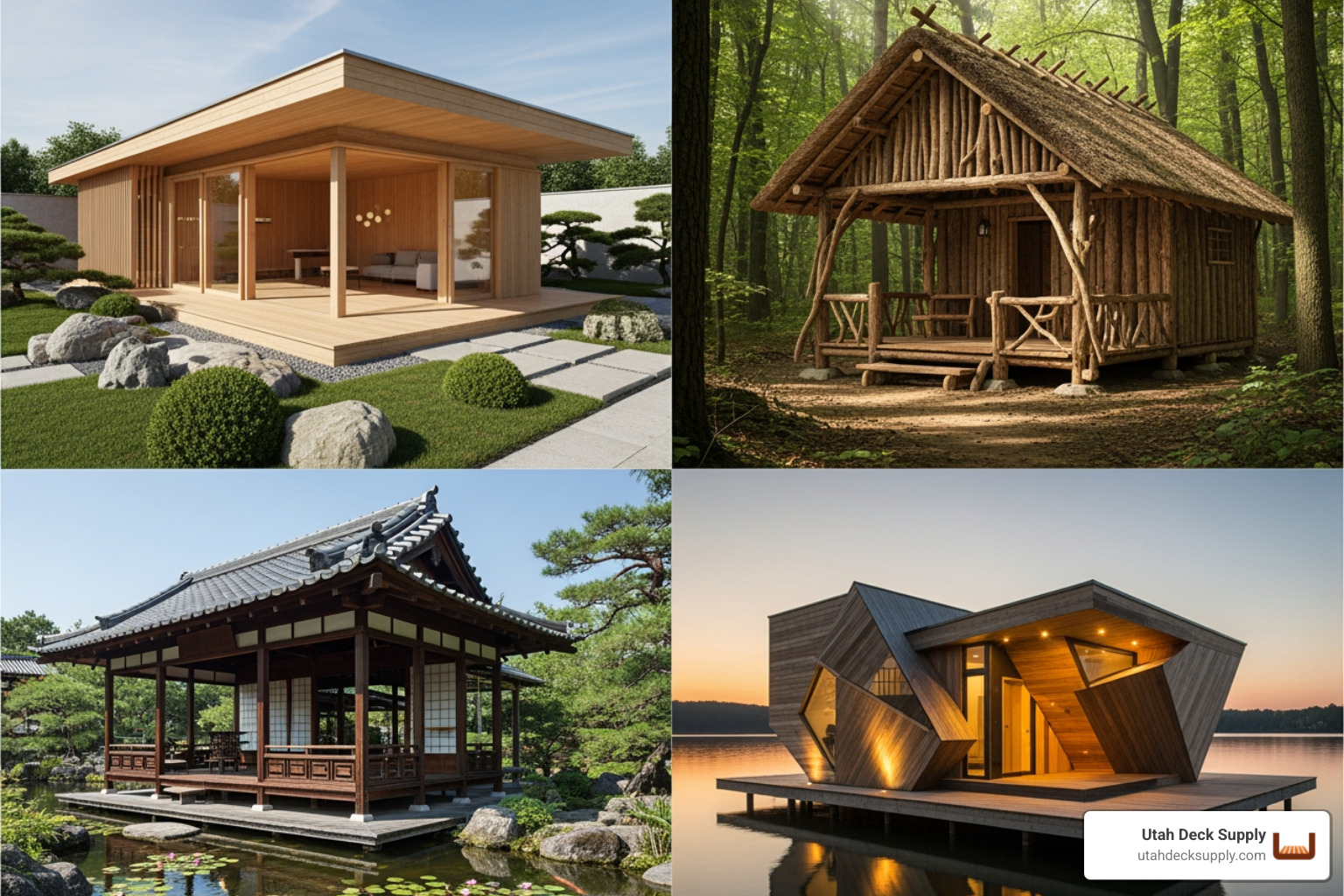
Wood pavilion kits come in a variety of wood types and architectural styles, allowing you to find the perfect match for your home and budget. Understanding these options is key to choosing a kit that fits your vision for your new outdoor room.
By Wood Type: Cedar vs. Pine and More
The wood you choose impacts your pavilion’s appearance, durability, and cost. In Utah’s demanding climate, this choice is especially important.
- Western Red Cedar: A premium choice, cedar naturally resists rot and insects without chemical treatments. It’s stable, resisting warping and splitting, and weathers to a beautiful silvery-gray if left unstained. While it has a higher upfront cost, its longevity and low maintenance are significant advantages.
- Pressure-Treated Pine: A budget-friendly and durable option. The wood is chemically treated to resist rot and insects, making it suitable for ground contact. It requires regular staining or sealing to maintain its appearance, but the initial cost savings are substantial.
- Douglas Fir: Known for its impressive strength and straight grain, Douglas Fir is often used for larger structural timbers that need to span long distances. It accepts stains well and offers excellent stability.
- Hemlock: A dense, strong wood frequently used in timber frame construction where structural integrity is critical. It provides the muscle your pavilion needs to stand for decades.
For a deeper dive into wood characteristics, see our Ultimate Guide to Choosing the Best Wood for Your Deck.
By Style and Construction
Beyond wood type, different architectural styles can dramatically change your pavilion’s look.
- Traditional Gable Roof: Features a classic triangular profile that is timeless and excellent at shedding snow and rain.
- Hip Roof: Slopes inward from all four sides, creating a sturdy structure that is highly resistant to wind and looks polished from every angle.
- Modern Mono-slope: A single-sloped roof offers a contemporary look and opens up creative design possibilities.
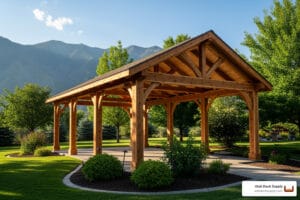
- Post & Beam Construction: Puts heavy timbers on full display, creating a robust, rustic feel where the wood’s strength is part of the design.
The Special Appeal of a Timber Frame Wood Pavilion Kit
Timber frame wood pavilion kits are a class apart, defined by their craftsmanship and durability. What sets them apart is the authentic mortise & tenon joinery, a traditional technique using wooden pegs to connect heavy timbers. This method, used in historic barns, creates incredibly strong joints without relying on metal fasteners.
These kits use heavy timbers (often 8×8 posts or larger) that provide superior structural integrity. Despite their size, the components are cut with precision using CNC machines, making assembly surprisingly straightforward. The exposed timbers and visible joinery create a structure with rustic elegance and character, turning your pavilion into a timeless conversation piece. If you appreciate traditional craftsmanship, you might also enjoy reading about 10 Reasons to Choose a Traditional Pergola Kit for Your Garden.
How to Choose the Perfect Wood Pavilion Kit for Your Space
Selecting the right wood pavilion kit involves balancing your vision with practical considerations like space, use, and style. Following these steps will help you make a confident choice for your backyard.
Sizing and Placement Considerations
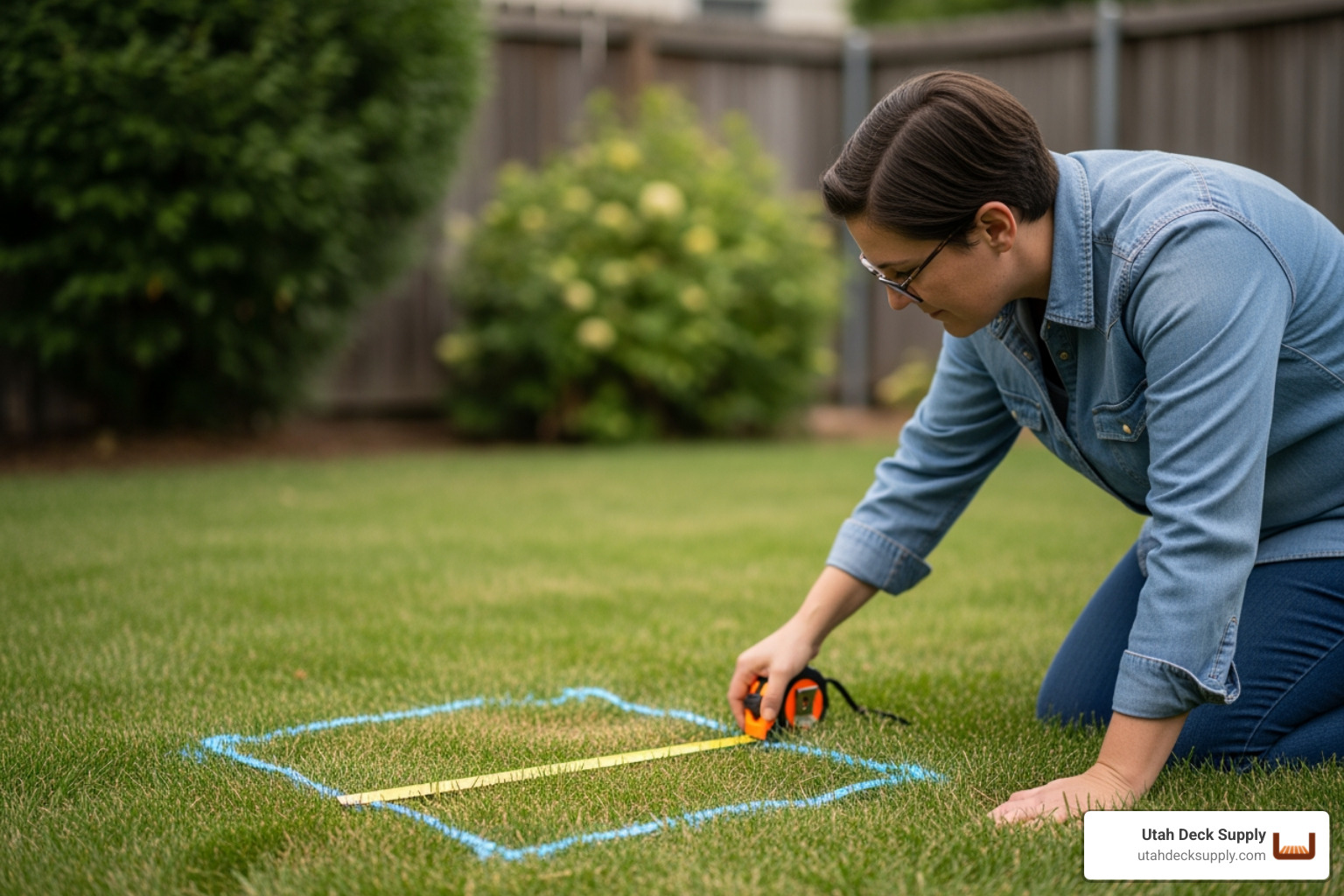
First, measure your yard to determine the available footprint, leaving clearance for pathways and landscaping. Think about your intended use: a 12×12 pavilion may be perfect for a lounge area, while a 16×16 or larger size is better for an outdoor kitchen or large dining space. Remember to account for furniture placement.
Foundation requirements are critical. Most pavilions need a solid, level foundation, such as a concrete slab or concrete footings. In Utah, using standoff brackets with footings is highly recommended to lift wood posts off the ground, preventing moisture damage and rot.
Also, consider the pavilion’s proximity to your home. Will it block views or cast unwanted shadows? Is it easily accessible from your back door?
Most importantly, check with your local municipality and HOA before purchasing. Cities across Utah, from West Jordan to Provo, may require permits for structures over a certain size. HOAs often have their own rules on setbacks, height, and style. You can find local requirements on your city’s website or by consulting resources like the International Code Council (ICC). Clarifying these rules early prevents costly delays. For more tips, see our guide on Planning Your Dream Deck: Budgeting and Design Tips.
Customization and Popular Design Trends
One of the best parts of a wood pavilion kit is the ability to customize it. Choose a style and finish that matches your home’s architecture for a cohesive look. Most kits arrive unstained, giving you full control over the final appearance with stain or paint, which also provides essential protection against UV rays and moisture.
Consider these popular customization options:
- Roofing Materials: While many kits include 30-year asphalt shingles, upgrading to metal roofing offers improved durability and a modern aesthetic.
- Electrical Packages: Optional wiring for lights, ceiling fans, and outlets transforms your pavilion into a true outdoor room, usable day or night.
- Post Size Upgrades: Upgrading from standard 8×8 posts to 10×10 posts or choosing taller options creates a more substantial and grand appearance.
- Decorative Elements: Privacy walls, post trim, and ornamental braces can add functionality and architectural interest.
Current trends favor clean lines and open concepts that blur the line between indoors and out. For more ideas on personalizing your space, read our article on Custom Pergola Kits: Elevate Your Outdoor Living Space.
Assembly, Costs, and Maintenance: What to Expect
Once you’ve selected your wood pavilion kit, it’s time to consider the practicalities of assembly, cost, and long-term care. Understanding what to expect will ensure a smooth process from delivery to decades of enjoyment.
What’s Included in a Typical Wood Pavilion Kit?
A quality wood pavilion kit is a complete package designed to minimize trips to the hardware store. You can expect:
- Pre-cut and Labeled Lumber: All posts, beams, rafters, and roof decking are cut to size and marked for easy placement.
- Complete Hardware Package: All necessary fasteners, including specialized timber screws, brackets, and concrete anchors.
- Detailed Instructions: Step-by-step assembly manuals, architectural drawings, and often instructional videos to guide you.
The Assembly Process: DIY vs. Professional Help
Designed for DIY assembly, most pre-cut kits can be built in 1-3 days by 2-3 people with basic construction tools and skills. Many homeowners find the process rewarding.
However, if you lack the time or comfort with construction, hiring a local contractor is a smart investment. This ensures your pavilion is assembled correctly and safely, providing peace of mind. For more guidance, our Pavilion Installation Made Easy resource can help.
Understanding Costs and Warranties
The wood pavilion kit itself typically ranges from $2,000 to $10,000+, with larger timber frame kits costing more. Be sure to budget for additional costs like building permits ($50-$200), foundation work ($1,000-$2,000), delivery fees, and finishing supplies like stain. Upgrades such as metal roofing or electrical packages will also add to the total.
| Feature | 12×12 Pressure-Treated Pine Kit | 12×12 Western Red Cedar Kit |
|---|---|---|
| Kit Price (Estimated) | $3,000 – $5,000 | $7,000 – $12,000 |
| Foundation (Slab) | $1,000 – $2,000 | $1,000 – $2,000 |
| Stain/Sealant | $200 – $400 | $300 – $600 |
| Delivery (Estimated) | $200 – $500 | $300 – $800 |
| Permits (Estimated) | $50 – $200 | $50 – $200 |
| Total Estimated Cost | $4,450 – $8,100 | $8,650 – $15,600 |
Note: These are estimates. Actual costs will vary based on location, specific materials, and labor.
Most reputable manufacturers offer a 10-year warranty on their kits. Always review the terms to understand what is covered. For more budget-conscious options, explore our 9 Cost-Effective Pergola Kits for Your Outdoor Oasis.
Long-Term Care for Your Wood Pavilion
Proper maintenance will keep your pavilion beautiful and structurally sound for decades. Follow these simple steps:
- Regular Cleaning: Gently wash the wood with mild soap and water a few times a year to remove dirt and pollen.
- Staining and Sealing: Re-apply a quality stain or sealant every 2-3 years to protect the wood from UV damage and moisture, which is crucial in Utah’s climate.
- Annual Hardware Inspection: Check and tighten all nuts, bolts, and screws, as wood’s natural expansion and contraction can loosen them over time.
- Pest Prevention: Keep the area around the base clear of debris and standing water to discourage insects.
- Moisture Protection: Ensure proper drainage around the posts and confirm that standoff brackets are keeping the wood liftd from the concrete.
For more detailed guidance, refer to The Ultimate Guide to Deck Maintenance.
Frequently Asked Questions about Wood Pavilions
When considering a wood pavilion kit, several questions commonly arise. Here are answers to some of the most frequent inquiries we receive at Utah Deck Supply to help you move forward with your project.
How do pavilions compare to gazebos and pergolas?
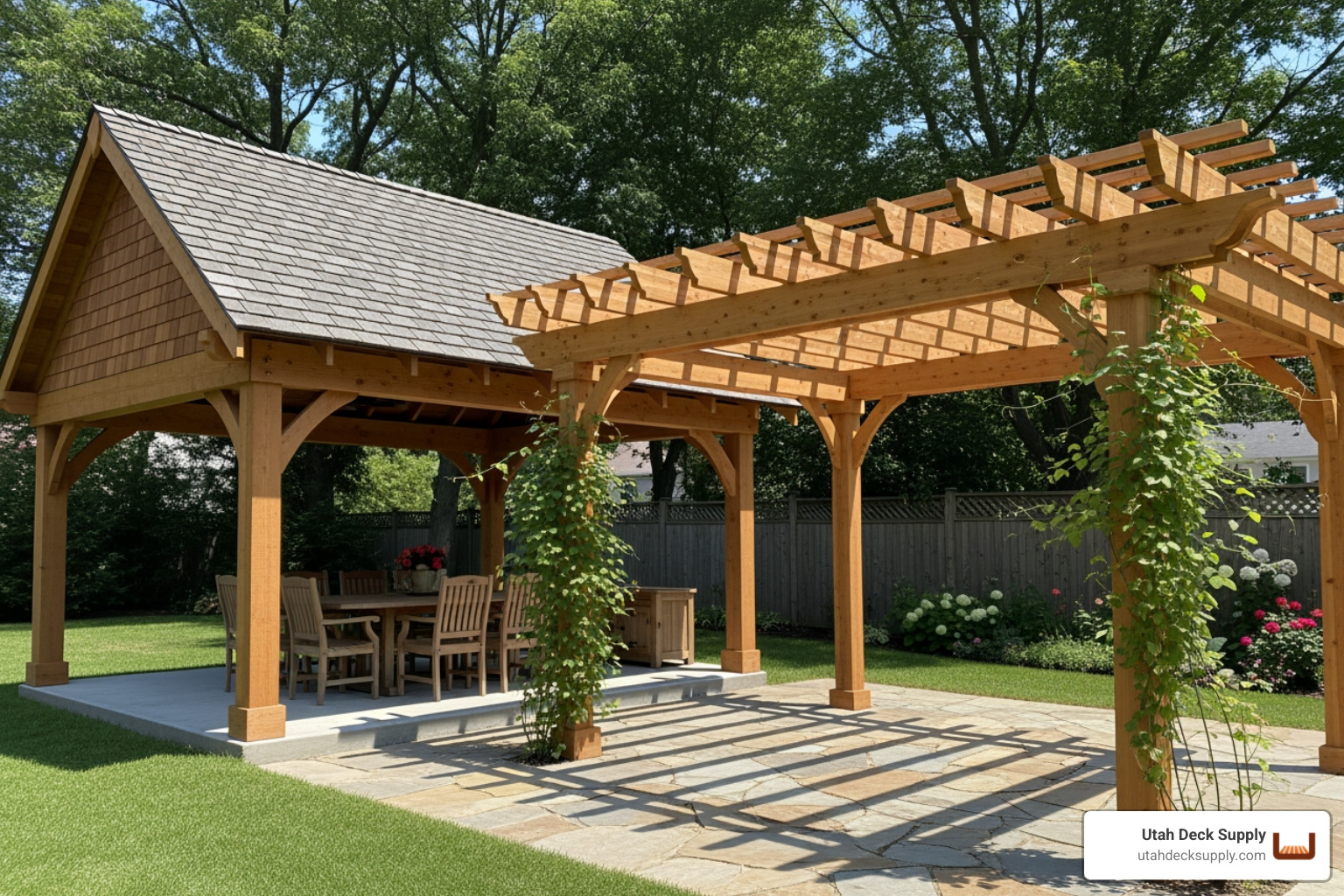
The main difference is the roof and sides, which determines the level of protection.
- A pavilion has a solid, fully covered roof with open sides. It offers complete protection from sun and rain while maintaining an open, airy feel. This makes it ideal for outdoor kitchens and dining areas.
- A gazebo also has a solid roof but typically features semi-enclosed sides with railings or screens. It provides more of a cozy, room-like feel.
- A pergola has an open, slatted roof that provides partial, dappled shade but does not protect from rain.
For reliable, all-weather use in Utah, a wood pavilion kit is often the most practical choice. For more on pergolas, see our Complete Guide to Choosing the Perfect Pergola Kit.
Do I need a permit to build a wood pavilion?
Most likely, yes. Permit requirements in Utah vary by city, but most municipalities require a permit for accessory structures over a certain size, often 120 or 200 square feet. Since many popular wood pavilion kits exceed this, you should plan on obtaining a permit.
Always check with your local building department and your HOA before you buy. Your city will have rules on foundation requirements and setbacks (how close you can build to property lines), while your HOA may have its own restrictions on style and size. Getting approval first saves significant time and potential fines. Our guide on Deck Building Permits and Regulations: Navigating the Red Tape can help you through the process.
Where can I find a reputable supplier for a wood pavilion kit?
Choosing the right supplier is crucial for a successful project. Look for a specialized outdoor supply store over a big-box retailer. Specialists offer deeper product knowledge, better selection, and expert guidance custom to your project.
At Utah Deck Supply, our business is built on this principle. Our founders, Justin Hellander and James Bonham, created our West Jordan store to provide homeowners and contractors with reliable advice and quality materials for Utah’s unique climate. Our team offers expert guidance on everything from product selection to installation, ensuring your project is built to last.
When you work with a local expert like us, you benefit from a well-stocked inventory for immediate pickup, the ability to see and touch products in our showroom, and advice from people who understand the challenges of building outdoors in Utah. We are dedicated to helping you create an outdoor space you’ll love. Learn more about our approach at Utah’s Premier Deck Supply Store: Elevate Your Outdoor Living.
Conclusion: Build Your Dream Outdoor Oasis
A wood pavilion kit is more than just lumber and hardware; it’s an investment in your lifestyle. It creates a dedicated space for making memories, whether you’re hosting a barbecue, enjoying a quiet morning coffee, or relaxing with family. By choosing the right materials, style, and size, you can build an outdoor retreat that adds significant value and enjoyment to your home for years to come.
Today’s high-quality wood pavilion kits make this dream more achievable than ever. With pre-cut components, detailed instructions, and the flexibility of DIY or professional assembly, you can confidently transform your backyard. At Utah Deck Supply, our team is here to provide the expert guidance and quality materials you need to succeed. We’re passionate about helping you create an outdoor space you’ll love.
Ready to find the perfect structure for your backyard? Explore our selection of high-quality gazebo and pavilion kits and start building your outdoor oasis today.